



Winter brings a different rhythm to apartment living. Winter brings a different rhythm to apartment living. As temperatures drop and shared building systems work a little harder, it’s normal for things to feel and function differently than they do in warmer months. Shorter days and colder weather can also raise questions about comfort, maintenance, and what to expect throughout the season.
As your property management team, we hear many of the same questions each winter. Our goal is to help set clear expectations and share helpful guidance.
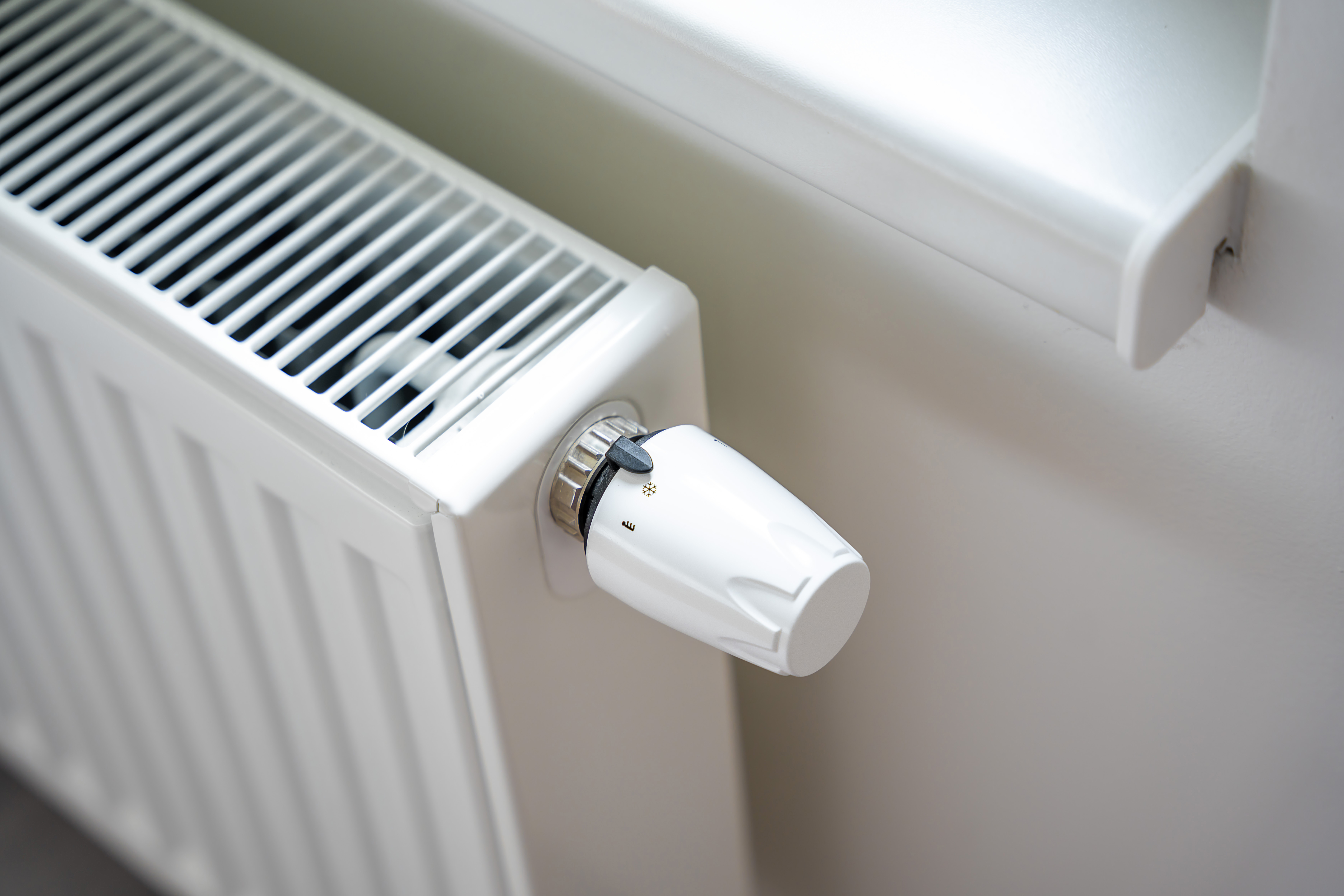
As temperatures drop, heating systems work harder and may operate differently than they do in warmer months. It’s normal to notice occasional clicking, humming, or airflow sounds as systems cycle on and off. In some buildings, heat may feel stronger at certain times of day as systems respond to outdoor conditions.
If consistently uneven temperatures or unusual noises persist, or if something feels off beyond typical winter operation, it’s always worth reaching out so it can be checked.
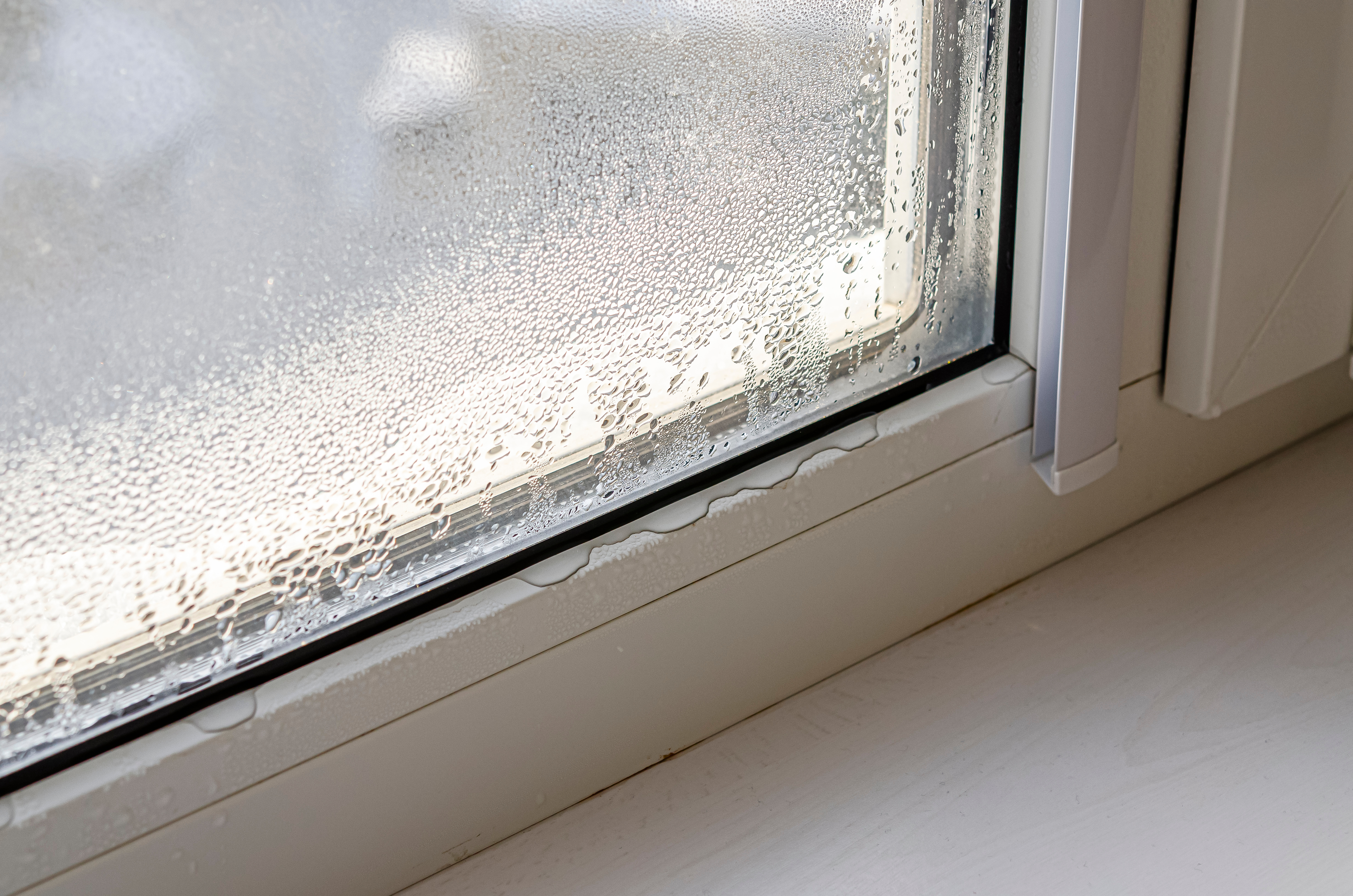
Condensation is one of the most common concerns during the winter season. When warm indoor air meets cold window surfaces, moisture can form, especially overnight or during colder spells. This is generally expected in winter, particularly in older buildings or during extreme cold.
What helps is keeping air circulating, opening blinds during the day when possible, and wiping down moisture if it appears. If you notice excessive condensation, frost buildup, or moisture that doesn’t clear up, letting your building team know allows them to assess whether further action is needed.
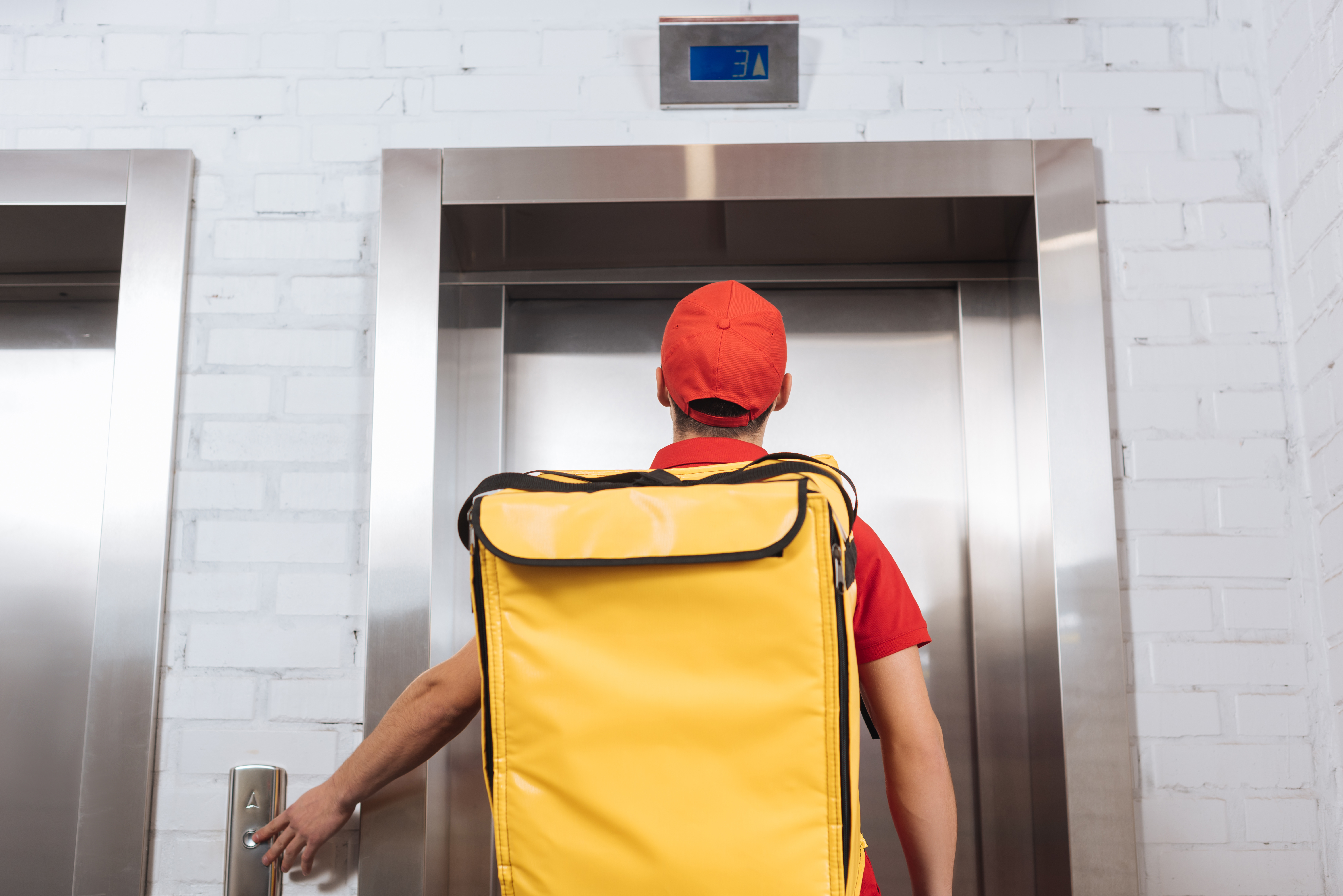
Cold weather can affect mechanical systems throughout a building. Elevators, automatic doors, and garage doors may operate more slowly during winter months as systems adjust to temperature changes.
Brief delays or slower operations can be normal. Repeated stoppages, doors not closing properly, or safety concerns should always be reported promptly so they can be addressed.
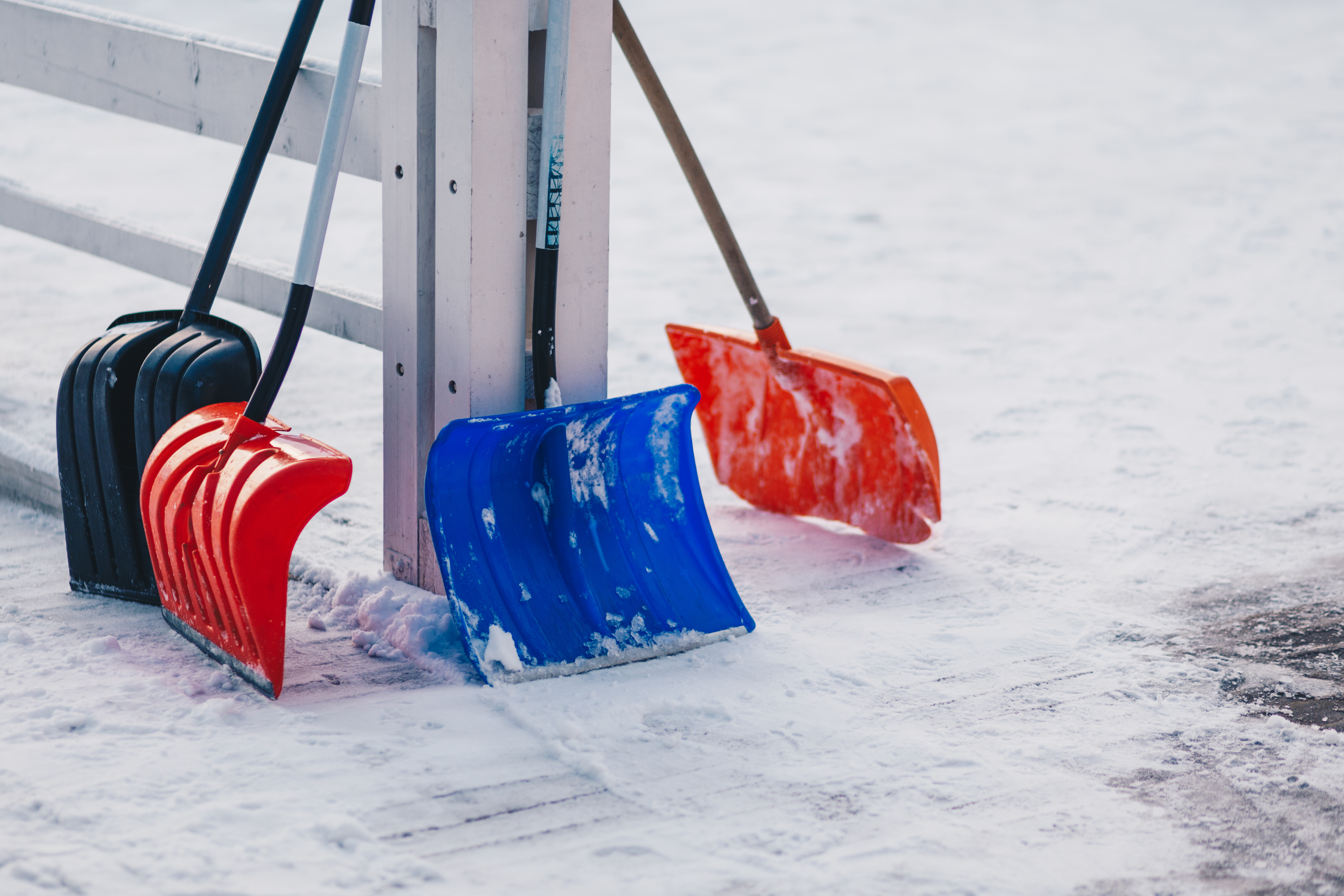
During active snowfall or freezing conditions, building teams prioritize safety by clearing main walkways, entrances, and high-traffic areas first. Depending on the weather, clearing may happen in stages rather than all at once.
If an area remains icy or unsafe after clearing efforts or if you notice a hazard developing, reporting it helps teams respond quickly and reduce risk.
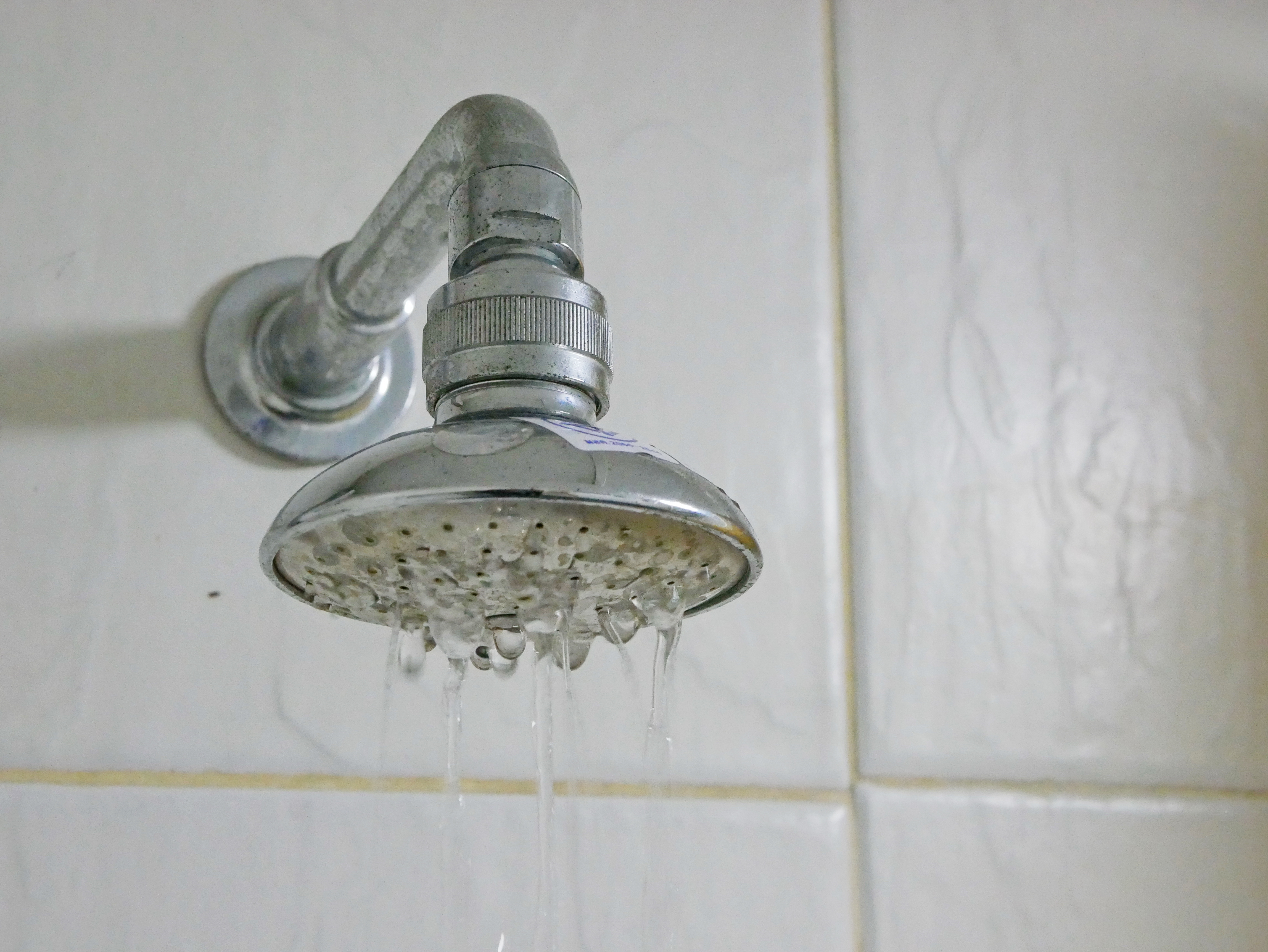
Winter can place additional strain on plumbing systems. Slower drains, changes in water pressure, or pipes that sound louder than usual can sometimes occur when temperatures fluctuate.
Issues with your water should be reported to your building manager as soon as they’re noticed.

A good rule of thumb is this: if something affects safety, comfort, or daily use of your home or shared spaces, it’s worth asking. Should an issue turn out to be part of normal winter operation, reaching out allows your property management team to confirm and provide clarity.
Clear communication helps everyone navigate the season more smoothly.
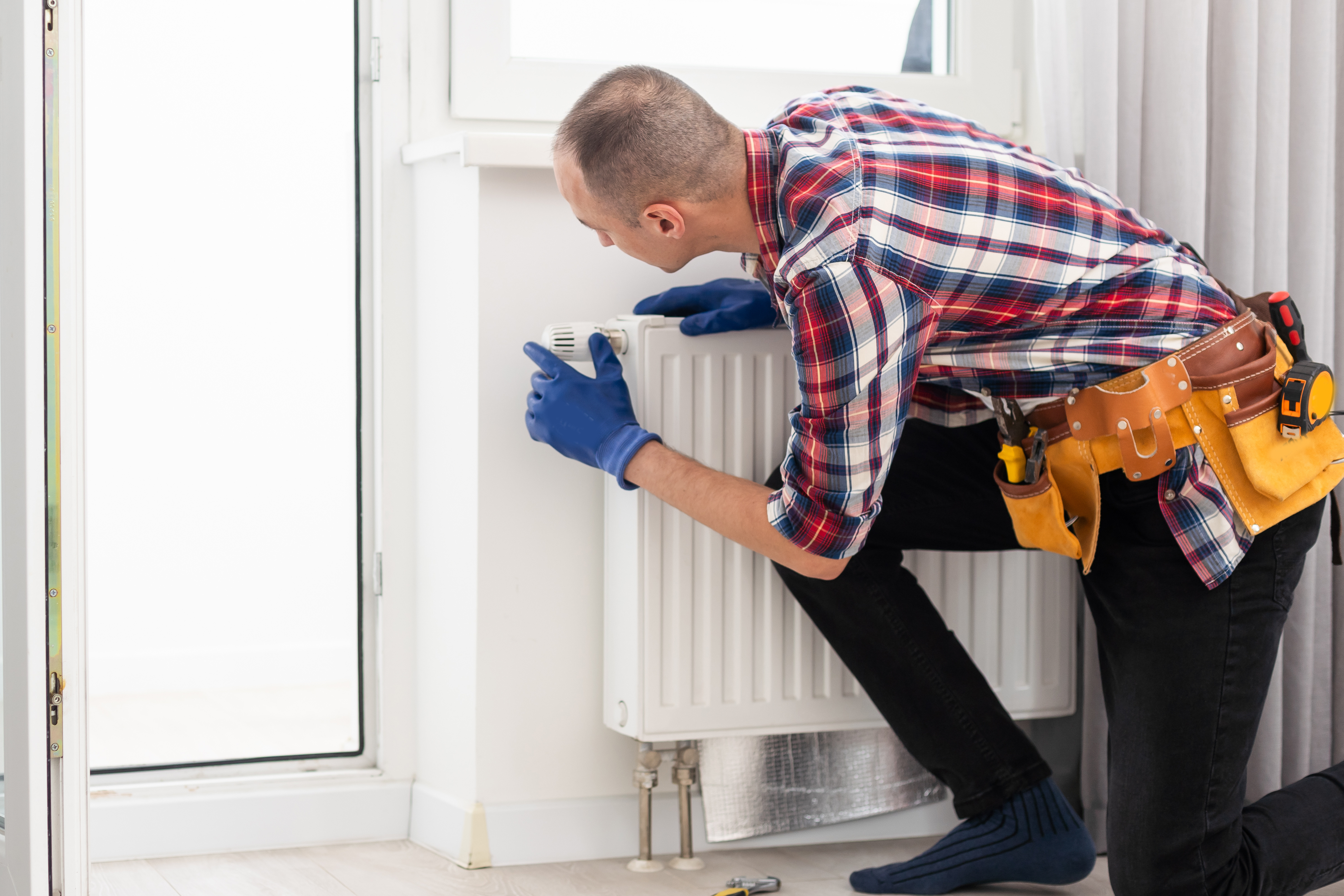
Winter apartment living works best when communication is open, and expectations are clear. Our role is to care for the building, monitor shared systems, and work closely with owners and service partners to keep everything running smoothly. Please notify us if anything in your home is not functioning as expected.
Working together in this way helps ensure our community stays safe, comfortable, and well cared for throughout the winter months.
For more seasonal tips and community updates, visit rentskpm.